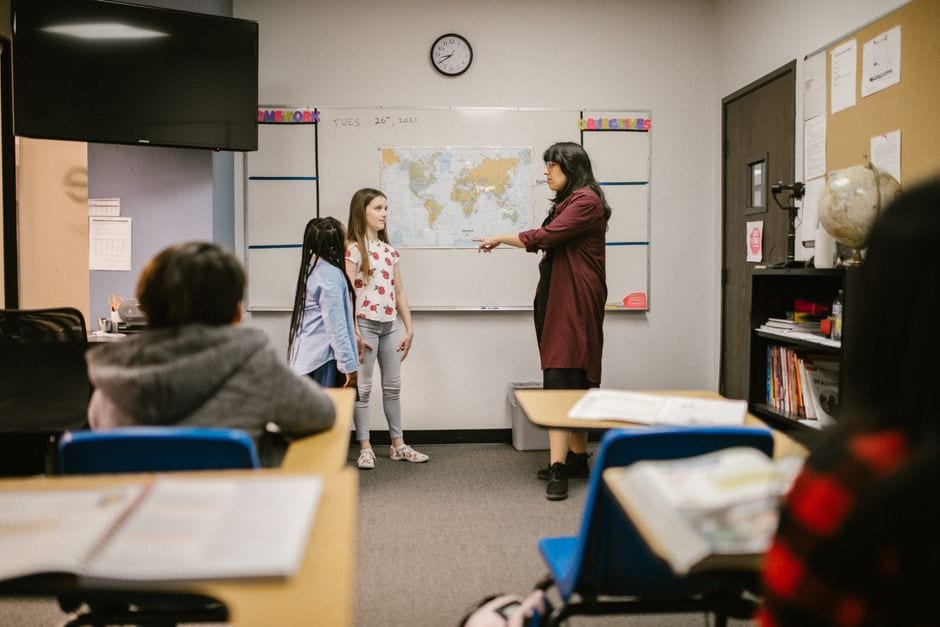
Illustrative image, not a photograph of the reported event or location. Photo by RDNE Stock project on Pexels The local newsPeach County Schools reviewed how it responds to reports of bullying and shared findings with families in March 2026. The district said the review was intended to strengthen support and clarify how school officials assess concerns. One useful way to assess this development is to separate the confirmed announcement from the possible consequences. An announcement establishes that an organization has described an action or plan; it does not automatically prove that every anticipated result has happened. That distinction helps residents evaluate headlines without overlooking the genuine local significance of the information. What the official information saysRecent local reporting has drawn attention to signs that a child may be experiencing bullying, including declining grades, social withdrawal and changes in classroom engagement. These symptoms are reasons to ask questions, not proof of a specific cause. For readers who want to check the record themselves, the original source should be the first stop. Dates, figures and program descriptions can change, and summaries may omit qualifications that matter. Checking the issuing organization also helps distinguish a proposal, a scheduled activity and a completed action. Those are different stages of a public story. Why residents should pay attentionThe district explained that some reported incidents are determined to be mutual conflict rather than conduct meeting Georgia's legal definition of bullying. That distinction can influence an investigation, but a student's distress still deserves a response. The relevance extends beyond people directly involved. Schools, local government and the university shape everyday decisions for families, workers and businesses across Peach County. Residents do not need to be experts in administration to ask how a development could affect access, opportunity, costs or services in their own neighborhood. Details that matterAccording to the district's explanation, bullying involves an imbalance of power and repeated actions or a strong likelihood of repetition. Parents can ask school officials to explain how that definition applies to a reported incident. A useful question is who is responsible for the next step. Some actions can be handled by an institution's staff, while others require formal approvals, funding or public notices. Identifying the responsible office makes it easier to request accurate details and avoid sending questions to people who cannot answer them. What remains uncertainSome disputes begin through social media or electronic messages outside school and then carry over into classrooms. Families should preserve relevant records without publicly reposting hurtful material or making accusations before an investigation. Readers should be cautious about filling gaps with assumptions. When a source does not provide an exact date, budget, application process or final outcome, the omission should be identified rather than treated as permission to invent one. Further reporting may resolve the question, but the available evidence should set the limits of the current story. A practical way to respondA useful report identifies what happened, when and where it happened, who was involved and whether anyone witnessed it. Families can contact a teacher, counselor or school administrator and ask which formal reporting channel applies. Residents can turn a general concern into a concrete question by writing down the issue, the location or program involved and the information they need. Keeping a record of official responses also helps when details are revised. Constructive follow-up is more likely to clarify an issue than sharing an unsupported claim. The wider Peach County contextStudents may hesitate to speak up because they fear retaliation or believe reporting will make the problem worse. Adults can help by listening without blame, taking concerns seriously and discussing how the school will protect the student while reviewing facts. Peach County includes different communities and institutions with overlapping interests but separate responsibilities. A change affecting Fort Valley may also interest Byron residents or people living outside city limits, even if the formal decision belongs to one organization. Coverage should explain that relationship without implying every agency controls the same outcome. Questions worth askingParents should ask who will follow up, when they can expect an update and what support is available to their own child. Privacy rules may limit what staff can disclose about other students, but families can still ask about safety planning. The next public update should answer more than whether an initiative is attracting attention. Useful follow-up includes who benefits, what resources are committed, when implementation is expected and what measures will show progress. Asking these questions is not a criticism of the underlying effort; it is how residents can understand its real-world effect. How to interpret future updatesAn investigation may conclude that bullying occurred, that a mutual conflict occurred or that other behavior requires attention. A report should not predetermine the outcome; the goal is to understand events and reduce the chance of future harm. Progress is best judged against clearly described milestones. A strong headline or an impressive percentage can be meaningful, but readers also need context, comparison points and any stated limitations. If later reports offer new numbers or decisions, those should be compared with the original announcement rather than treated as unrelated developments. Where to follow the storyFamilies can read the district's March message and 41NBC's recent interviews, then use the district website to identify current contacts. Threats or immediate danger require prompt help rather than waiting for an ordinary school follow-up. Readers should return to the issuing organization's website for the latest materials and contact information. An official page can confirm the source of the original report, although it may not answer every question. Peach City Post can continue following the issue as verifiable details become available, especially those affecting residents' next decisions. Primary source: Read the official announcement or notice. Additional local information: Peach County government and City of Fort Valley. |
 Illustrative photograph. Photo by Gustavo Fring on Pexels |
1 Comment
Join the conversation
I’m glad Peach County Schools reviewed its response. Will families get a clear explanation of what changed after the March review?